Frequently Asked Questions About Vehicle Collateral Loans
Navigating short-term liquidity options often raises questions for vehicle owners in Kano and Lagos. Understanding how vehicle pledge mechanisms function helps motorists make informed decisions without risking their primary assets. Below are essential answers regarding secure garage custody, asset evaluation, and responsible short-term borrowing practices across licensed financial institutions in Nigeria.
Physical Secured Garage Custody Versus Paper Title Liens
A common inquiry among car owners involves the difference between physical vehicle pledging and simple paper title retention:
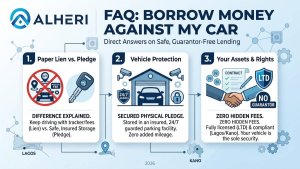
- Paper Title Liens: Some informal lenders hold vehicle documents while allowing the owner to continue driving. However, this creates dual risks and ambiguous legal standing regarding asset control.
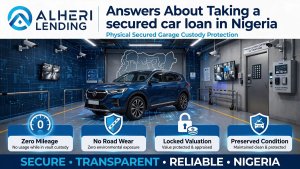
- Physical Secured Custody: Licensed vehicle collateral lenders utilize secure physical storage. The automobile is parked in a 24/7 CCTV-monitored facility with verified odometer logs. This model provides absolute asset safety, eliminates unauthorized road use, and guarantees transparent custody throughout the short-term financing cycle.
How Storage Security and Odometer Logging Protect Borrowers
Vehicle safety is paramount when an automobile is placed in temporary custody. Licensed lending facilities implement strict operational protocols to protect client property:
- 24/7 Monitoring: Premises are equipped with advanced CCTV surveillance and professional security personnel.
- Odometer Verification: Mileage is recorded precisely at check-in and check-out, ensuring zero unauthorized driving occurs during the pledge period.
- Comprehensive Protection: Vehicles remain safely stored and insured against environmental hazards while awaiting loan settlement and prompt release.
Avoiding Long-Term Debt Cycles With Short Terms
Responsible borrowing requires disciplined financial planning. Vehicle-backed cash loans are specifically structured as short-term solutions—typically spanning up to 3 months—designed to bridge temporary cash flow gaps rather than act as permanent debt traps. By ensuring clear repayment capacity before borrowing, maintaining open communication with lenders, and settling principal obligations on time, Nigerian motorists can unlock emergency capital safely, preserve their credit standing, and reclaim their vehicles without financial stress.
Have Questions About Your Car Value?
Get a free instant vehicle appraisal on WhatsApp from our team.